Children’s Mental Health Week – “This Is My Place”
18 Feb 2026Children’s Mental Health Week provided opportunities for children to explore emotions, build connections and strengthen their sense of belonging through meaningful and child-led experiences.
There are times throughout the year where we pause and intentionally create space for what matters most; during Children’s Mental Health Week, that focus was on belonging.
From 9 to 15 February 2026, the theme “This Is My Place” guided a week of meaningful reflection, connection and exploration. Rather than approaching this as a series of activities, the week unfolded as an opportunity to listen to children, to understand their experiences, and to support them in making sense of their feelings within their environment and relationships.
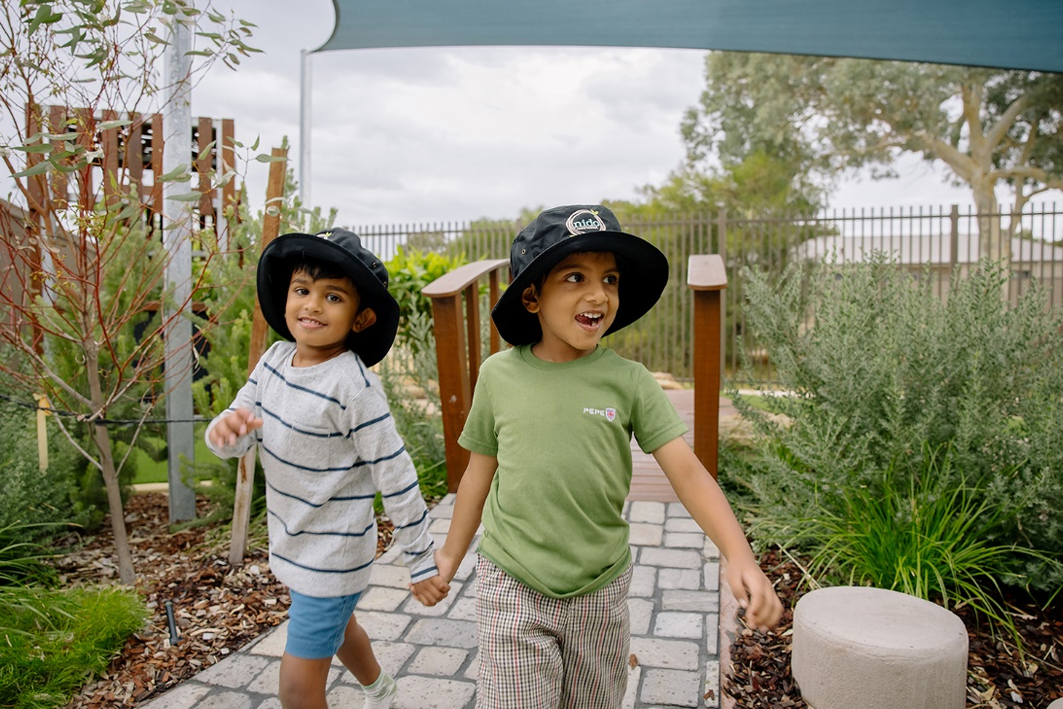
Through shared stories and conversations, children began to connect emotions to their lived experiences. They spoke about nervous feelings, often described as “butterflies,” and moments of joy that brought smiles and laughter. These discussions were not structured or rushed, they were intentional, open and grounded in trust.

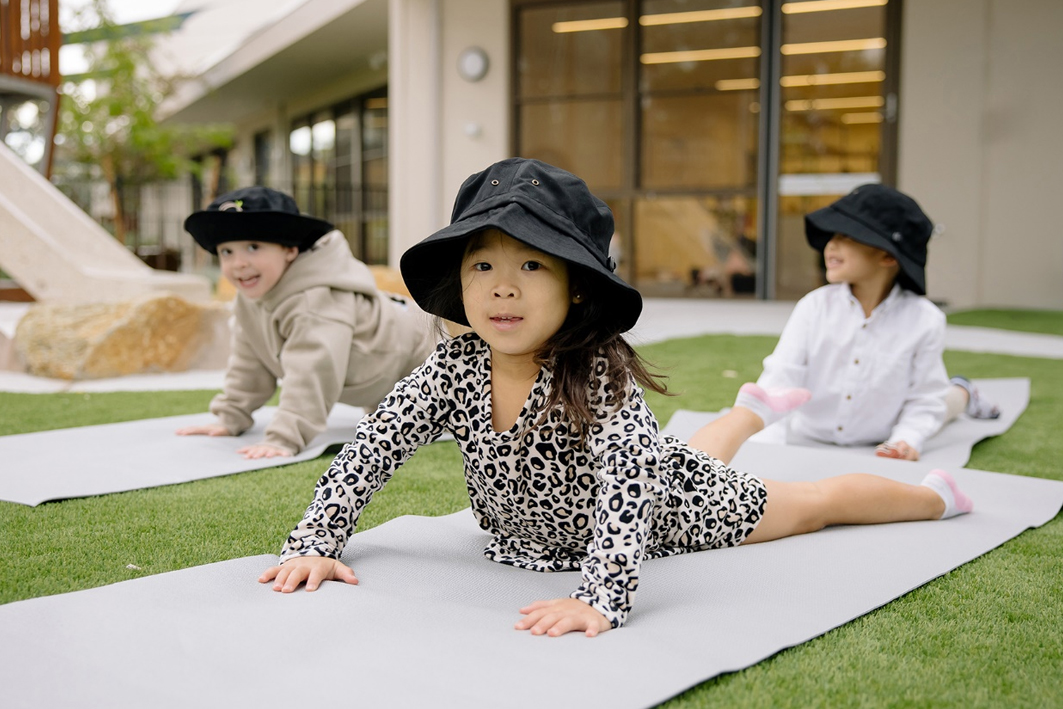
The use of emotional blocks, music and movement, and calming practices like yoga created multiple ways for children to express themselves. Some used words, others used movement, and some simply observed and absorbed. What mattered was that each child was given space to engage in a way that felt comfortable and meaningful to them.
As the week progressed, something became increasingly clear – a growing sense of safety and confidence. Children were not only recognising their feelings but beginning to communicate them, to connect with others, and to build empathy within their peer groups.

Reflecting on the experience, the strongest outcome was the sense of belonging that developed. Children felt seen, heard and supported; all elements that sit at the heart of Learning Outcome 1. They began to understand that their place within the community was not something they needed to earn as it already existed.
These moments remind us that supporting wellbeing is not something separate from learning; it is foundational. It shapes how children engage, connect and grow. Moving forward, these practices remain embedded in everyday routines, continuing to nurture a sense of belonging for every child — because every child deserves to feel that.