Top 5 Sensory Play Ideas for Toddlers
Sensory play is a great way for toddlers to learn about the world around them. Through touching, pouring, listening, smelling, and exploring, children develop important cognitive, language, physical, and social-emotional skills.
For toddlers, sensory activities are more than just fun, they provide opportunities for toddlers to explore, experiment and solve simple problems. Such activities help build neural connections in the brain, support problem-solving, encourage creativity, and strengthen fine and gross motor skills. Play-based learning is widely recognised as an essential part of early childhood development.
Here are five simple sensory play ideas that are easy to set up at home and support healthy toddler development.
What Is Sensory Play?
Sensory play is any activity that engages one or more of a child’s senses:
- Touch
- Sight
- Sound
- Smell
- Taste
- Movement and balance
During the toddler years, sensory experiences help children learn about textures, weights, temperatures, colours, sounds, and cause-and-effect relationships. These experiences also support language development as children describe what they see, feel, and do.
1. Water Play Stations
Water play is a timeless sensory activity that provides endless learning opportunities.

What You’ll Need
- Plastic container or tub
- Cups and bowls
- Measuring spoons
- Funnels
- Floating toys
How to Play
Allow your toddler to pour, scoop, fill, empty, and splash using different containers. You can add floating objects and ask simple questions about what sinks and what floats.
Learning Benefits
Water play helps toddlers, develop fine motor skills, learn about volume and measurement, understand cause and effect, build hand-eye coordination and practice new vocabulary.
Safety Tips
- Always supervise water play.
- Use shallow water only.
- Empty containers immediately after use.
2. Nature Sensory Bins
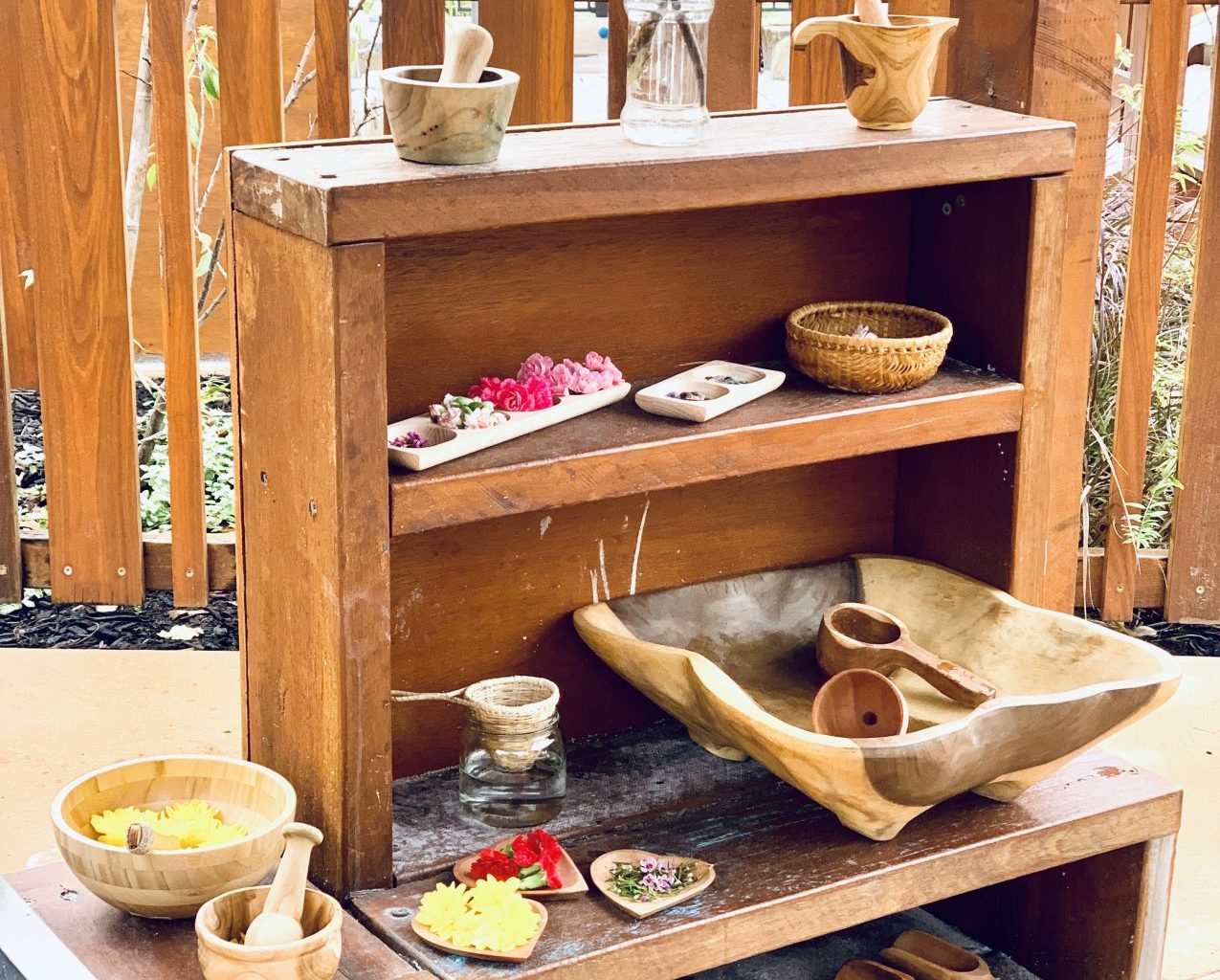
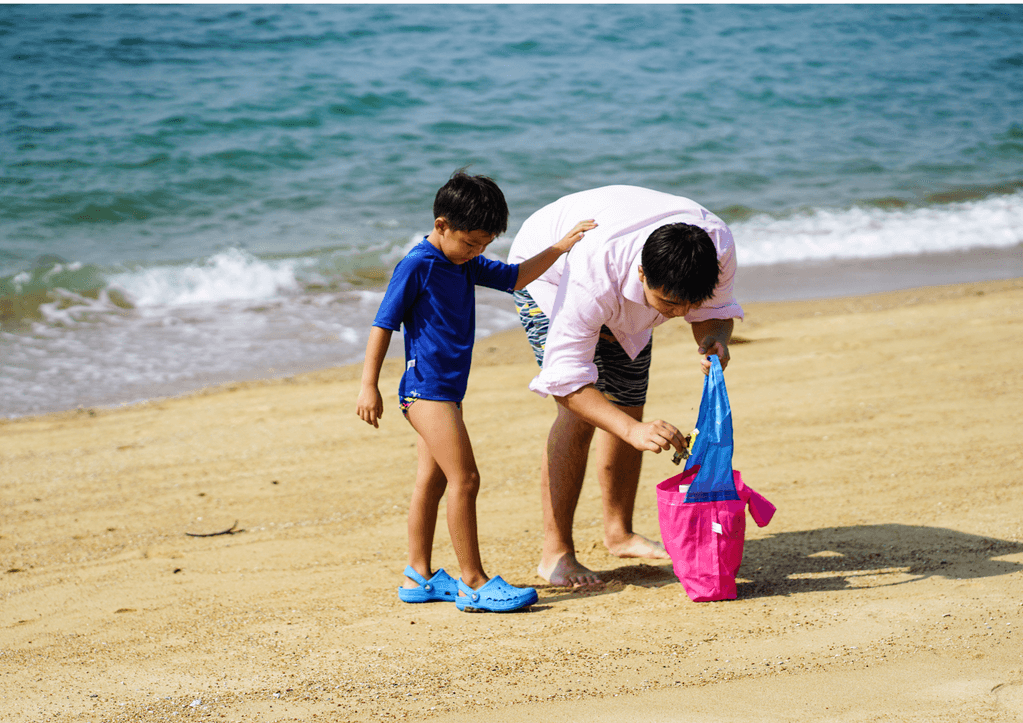
Nature offers a rich variety of textures, colours, smells, and sounds that engage multiple senses.

What You’ll Need
Collect safe natural materials such as:
- Leaves
- Sticks
- Pinecones
- Flowers
- Smooth stones
- Bark pieces
Place the items in a shallow container or tray for exploration.
How to Play
Encourage your toddler to, sort items by size or colour, feel different textures, describe what they see and create simple nature collages.
Learning Benefits
Nature sensory play can help children, build observation skills, expand vocabulary, develop classification skills, experience the natural environment and support early scientific thinking.
Australian early childhood experts encourage outdoor exploration and nature-based learning as part of healthy toddler development.
3. Taste-Safe Sensory Dough
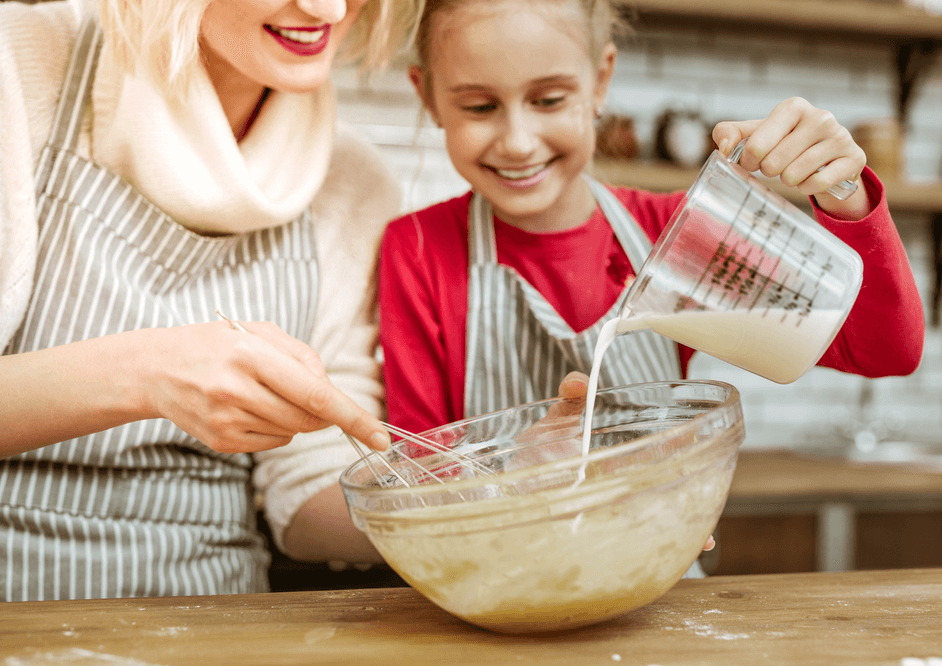
Homemade sensory dough gives toddlers opportunities to squeeze, roll, poke, flatten, and create.

What You’ll Need
A simple taste-safe dough made from:
- Plain flour
- Water
- Food colouring (optional)
How to Play
Using cookie cutters, rolling pins, plastic utensils and toy animals or vehicles. Allow your child to manipulate the dough freely.
Learning Benefits
Sensory dough supports fine motor development, hand strength, creativity, imaginative play, and early problem-solving skills. These skills contribute to later tasks such as drawing, writing, and self-care activities.
4. Sensory Painting and Creative Art
Art activities engage multiple senses while encouraging self-expression and creativity.

What You’ll Need
- Washable paint
- Large paper sheets
- Paintbrushes
- Sponges
- Cotton balls
How to Play
Let toddlers experiment with finger painting, sponge painting, mixing colours and making marks and patterns. Focus on the process rather than the finished artwork.
Learning Benefits
Creative sensory experiences help develop fine motor control, colour recognition, creativity, confidence and decision-making skills. Toddlers also strengthen their ability to express ideas and emotions through open-ended play experiences.
5. Music and Sound Exploration
Sound-based sensory play supports listening, movement, language, and emotional development.

What You’ll Need
- Musical instruments
- Pots and wooden spoons
- Shakers
- Bells
- Favourite songs
How to Play
Encourage your toddler to dance to music, copy rhythms, explore loud and soft sounds, sing along to songs and create their own musical sounds.
Learning Benefits
Music activities can help toddlers improve listening skills, develop rhythm and coordination, expand language skills, build memory and express emotions. Songs, rhymes, and music-based interactions are commonly recommended as positive ways to support language and communication development in toddlers.
Sensory Play Safety Tips
When planning sensory activities for toddlers:
- Always supervise play.
- Choose age-appropriate materials.
- Avoid small items that could present a choking hazard.
- Use non-toxic and child-safe materials.
- Wash hands before and after activities.
- Consider allergies and sensitivities.
Safety and supervision should always remain the highest priority.
Why Sensory Play Matters for Toddler Development
Sensory play supports development across multiple areas, including:
Cognitive Development
Children learn through exploration, experimentation, and discovery. Sensory activities encourage curiosity and problem-solving.
Language Development
Talking about textures, colours, sounds, and actions helps toddlers build vocabulary and communication skills.
Physical Development
Pouring, squeezing, scooping, painting, and manipulating objects strengthen muscles and coordination.
Social and Emotional Development
Shared sensory experiences support confidence, creativity, emotional expression, and positive interactions with caregivers.
Sensory play is a simple but powerful way to support your toddler’s learning and development. Activities such as water play, nature exploration, sensory dough, painting, and music encourage curiosity while building important cognitive, physical, language, and social skills.
The best sensory experiences don’t need to be expensive or highly structured. Often, everyday household items and outdoor materials provide the richest opportunities for exploration and discovery.
FAQs
What is sensory play for toddlers?
Sensory play is any activity that stimulates a child’s senses, including touch, sight, sound, smell, taste, or movement. It helps support learning, development, and exploration.
At what age can toddlers start sensory play?
Many sensory activities can be introduced from infancy, but toddlers typically engage more actively in sensory exploration between 1 and 3 years of age.
How often should toddlers participate in sensory play?
Short daily sensory activities can provide valuable learning opportunities.
What are the benefits of sensory play?
Sensory play supports cognitive development, language skills, motor development, creativity, problem-solving, and emotional regulation.
Is messy play important for toddlers?
Yes. Messy play allows children to explore textures, practice creativity, and learn through hands-on experiences in a safe environment.
What are some low-cost sensory play ideas?
Water play, nature walks, homemade playdough, cardboard boxes, music, and kitchen-based sensory activities are all affordable options.
Can sensory play help with language development?
Yes. Sensory experiences naturally encourage conversation and introduce new words relating to colours, textures, actions, shapes, and sounds.
What should I avoid in sensory activities?
Avoid materials that may pose choking hazards, contain harmful chemicals, or trigger allergies. Always supervise young children during sensory play.
References
Raising Children Network: Toddler Development (2-3 Years)
https://raisingchildren.net.au/toddlers/development/development-tracker-1-3-years/2-3-years
NSW Government: Early Childhood Development Resources
https://www.nsw.gov.au/family-and-relationships/early-child-development/toddler
UNICEF Parenting: Developmental Milestones at 2 Years
https://www.unicef.org/parenting/child-development/your-toddlers-developmental-milestones-2-years