How we design environments where every child matters
24 Aug 2026From the earliest stages of planning, every Nido Early School is thoughtfully designed around the needs of the child. This guides every aspect of environmental design from where furniture is placed to how children access materials.
Every new Nido Early School begins with one important question: what does the child need from this environment?
Approximately eight months before a new early school opens its doors, this question begins shaping every classroom, garden and shared space.
It influences where furniture is placed, how children access materials, where they can retreat from noise and even where the washing machine goes. Each decision has a purpose beyond how the environment looks.
Our environments also continue to evolve through observation and feedback from children and educators. This thinking has shaped our partnership with Starex, and the creation of a bespoke furniture collection designed exclusively for Nido early schools.
Furniture with more than one purpose
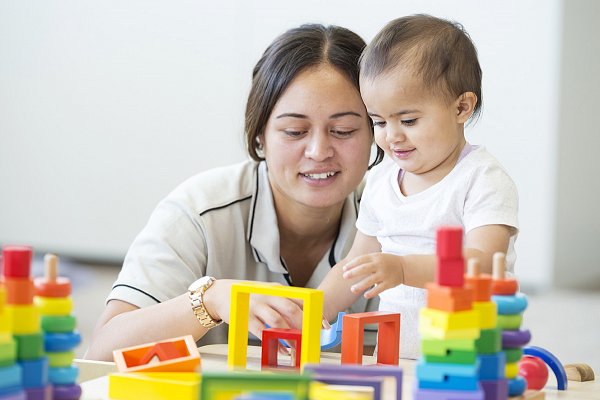
In a Nido classroom, furniture is not simply used for storage or placed around the walls.
A tunnel can become a place for movement, retreat or imaginative play. Children can work together at a magnetic panel, while the opposite side of the same structure becomes a dramatic play space.
These pieces are positioned within the classroom to create natural pathways and give children different ways to move through the environment. Resources are visible and within reach, giving children the freedom to choose what they would like to investigate and explore.

Our acoustic tunnels have been designed with texture and sound absorption in mind. They give children a more enclosed place to pause, regulate or recharge while remaining connected to the classroom.
Safety also shapes the less visible details. Newer Nido nursery kitchenettes include washers, dryers and dishwashers, giving educators the equipment they need within the room so they can spend more time focused on the children.

Ateliers where ideas take shape
Our ateliers are intentionally designed so children can focus, make choices and explore materials in their own way.
A carefully selected range of materials is displayed on open shelving, allowing children to choose what they want to explore and whether they would prefer to work at a table, an easel or on the floor.

Some newer Nido early schools also include dedicated sensory ateliers. Overhead projectors, light tables and immersive experiences allow children to investigate shadow, colour, texture, scale and movement.
These are not simply art rooms. They are places where children can test ideas, revisit discoveries and communicate their thinking in many different ways, reflecting Nido’s Reggio Emilia-inspired approach to learning.
A Piazza that opens when children are ready

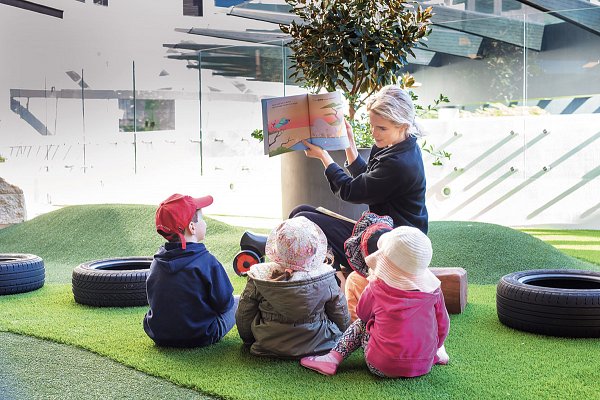
The Piazza is a distinctive part of the Nido environment. Inspired by the gathering places found at the heart of Italian communities, it brings children from different classrooms together for shared meals, projects and experiences.
But it does not automatically begin operating this way on opening day.
During the first six months of a new early school, our People and Quality Leaders work with the early school team to consider when children are settled and emotionally ready to use the Piazza for mealtimes. The transition is determined by the children, not by a fixed opening schedule.
This is what designing through the image of the child means at Nido. It is not a particular colour palette or style of furniture. It is the practice of asking what children need, observing how they use their environment and allowing what we learn to shape what comes next.
Because at Nido, every child matters. And every detail of their day matters too.